

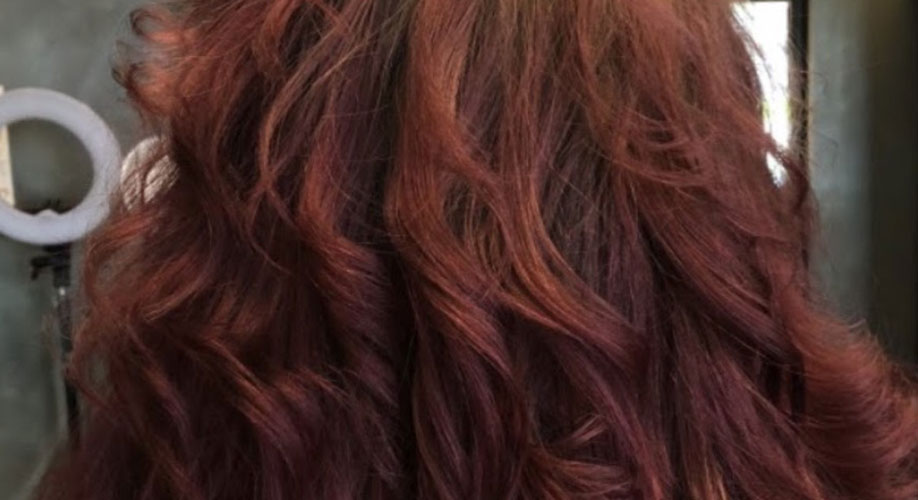
You wake up, look in the mirror, and your hair just feels tired. The ends look rough, the color looks flat, and no amount of styling cream seems to fix it. Many people think this means they have “bad hair.” Most of the time, it simply means the hair is thirsty and overworked. Color, heat, sun, and even hard water can slowly wear it down. The good news is that dry, faded hair is not the end of the story. With the right hair treatments, highlights, and color choices, you can bring back softness and shine without starting from zero or cutting it all off. You just need a plan that actually respects how hair works.
Why Hair Starts To Look Dry And Faded
Hair does not become dry overnight. It happens in layers. Each hair strand has an outer shell called the cuticle. When this shell lies flat, light reflects, and your hair looks shiny. When it lifts or chips away, hair looks rough and dull.
Simple things cause this:
- Frequent heat styling at high temperatures
- Strong shampoos that strip natural oils
- Old color that was lifted too many levels
- Sun, chlorine, or salty air over time
Inside the hair is the cortex, where color and strength live. When the cortex loses moisture and pigment, hair can look lighter, uneven, and lifeless. So when you see dry ends and washed-out color, you are looking at a tired cuticle and a thirsty cortex. That is why the answer is not just “more dye.” It is care plus color working together.
How Salon Hair Treatments Repair Weak, Tired Strands
A good salon treatment does more than feel nice. It has a job. Many treatments use a mix of proteins, moisture, and bond-supporting ingredients to refill what hair has lost. Proteins help patch weak spots in the cuticle. Moisturizing agents, like certain oils or humectants, help bring back softness and flexibility. Bond-supporting formulas aim to protect and support the inner links inside the hair shaft that give it strength.
In a typical visit, your stylist might:
- Cleanse with a gentle, pH-balanced shampoo
- Apply a deep treatment that stays on for 10–20 minutes
- Use warmth to help the product move into the cuticle
- Rinse and finish with a sealing conditioner or gloss
Over time, these steps help reduce breakage, smooth frizz, and create a better base for future color. When the hair fiber is supported, color looks more even and lasts longer. You start to see less snapping, fewer rough ends, and more movement when you brush or style.
What Safe Highlights Do For Flat, Dull Color
Many people think highlights always damage hair. That is only part of the story. Harsh, rushed lighting can hurt the cuticle. But carefully planned highlights can actually make tired hair look brighter and healthier to the eye. When the stylist uses the right developer strength, timing, and placement, the light pieces break up a dull block of color. Soft, face-framing highlights or a gentle balayage can:
- Add dimension so hair does not look like one flat mass
- Draw attention to healthy-looking areas and away from rough ends
- Make fine hair appear fuller without heavy styling products
The key is balance. The stylist looks at your current level, your hair’s porosity, and how much lightening it can handle in one visit. Instead of pushing it to a very light blonde at once, they may lift only a few levels and tone the hair to a soft shade. It looks fresh, but the structure still feels strong in your hands.
Choosing Hair Color That Respects Your Hair Health
Not every shade is kind to every head of hair. If your hair is already dry, going several levels lighter in one go can push it too far. A better path is choosing a color that works with what you already have. Your stylist may suggest staying close to your natural level or shifting tone instead of only chasing “lighter.” Here is what respectful color planning often includes:
- Matching the developer level to your hair’s current strength
- Using permanent color only where needed, not over the whole length
- Adding semi-permanent or demi-permanent color for shine and tone
- Planning changes in stages instead of one huge jump
When color is layered smartly, your hair looks richer, not stressed. The cortex gets gentle deposits of pigment instead of strong repeated lifting. You still get a change you can see. But your hair stays soft enough to style without constant fear of breakage.
Simple Salon Techniques That Protect Fragile Hair Fibers
Behind the scenes, stylists use quiet tricks to guard fragile hair. You may not notice them, yet they matter. They might start with a porosity check, sliding fingers along a strand to feel rough or smooth spots. They might do a strand test with a small hidden section before touching your whole head.
Protective techniques often include:
- Leaving “buffer” zones so lightener never hits the same spot twice
- Applying a barrier cream near fragile hairline pieces
- Using bond-support products mixed into the color or lightener
- Rinsing with slightly cool water to help the cuticle lie flatter
Even the way foils are folded matters. Tight folds and too much heat can stress the cuticle. Gentle handling, longer timing with lower-strength formulas, and careful rinsing all help the hair fiber stay intact. You might just feel like you are sitting in the chair. But a lot of small choices are protecting every strand.
Easy Home Habits To Keep Color Looking Fresh
What happens after you leave the salon is just as important. You do not need a complex routine. You just need habits that are kind to color and moisture. Small shifts add up.
Helpful home steps include:
- Washing with sulfate-free, color-safe shampoo
- Using lukewarm water instead of very hot water
- Adding a deep mask once a week on mid-lengths and ends
- Blotting hair with a soft towel instead of rough rubbing
- Letting hair air-dry partly before using a dryer
Heat tools still have a place. Just use a heat protectant spray and keep the temperature as low as you can while still getting the style you want. Over time, these habits slowly fade and keep the cuticle smoother. Which means your salon color stays shiny longer, and your hair feels more like hair, less like straw.
Signs Your Hair Treatments Are Actually Working Well
Sometimes it is hard to tell if all this effort is doing anything. So it helps to know what “better” looks like in real life. You do not need a lab. You just need your senses. Look for changes like these:
- Hair bends without snapping when you tug a strand
- Brushes glide through with fewer tangles and snags
- Frizz softens, even on humid or wet days
- Color looks richer, not chalky, under natural light
- Ends feel less scratchy when you run fingers through them
You may also notice you spend less time “fighting” your hair in the morning. Styles hold longer. You use fewer heavy products to hide damage. Progress is often slow and steady, not instant. But when treatments, highlights, and color are done with care, every visit should move you toward smoother, stronger, easier hair, not away from it.
Let Trusted Hands Guide Your Next Hair Change
Dry, faded hair can make you feel stuck, yet it is often the starting point for a much better style story. The right mix of hair treatments, highlights, and color can rebuild softness while still giving you a look that feels new. You do not have to guess about products or timing on your own. Locks by Louise can help you choose gentle color steps, nourishing treatments, and a simple routine you can actually keep up with at home. When you are ready for hair that feels healthier and looks more alive, book a visit and let skilled hands guide the next move.
